Keeping You Moving — From Workday to Checkered Flag
At Bryan’s Auto and Race Cars, the goal is simple: help people get where they need to go.
Sometimes that means getting a daily driver back on the road for work. Sometimes it means making sure a first car is safe and dependable for the drive to college. And sometimes it means preparing a race car to take the green flag.
The vehicles may be very different, but the responsibility is the same: do the job carefully, communicate clearly, and give the person depending on that vehicle confidence in the repair.
It Started With a 1988 Toyota Supra
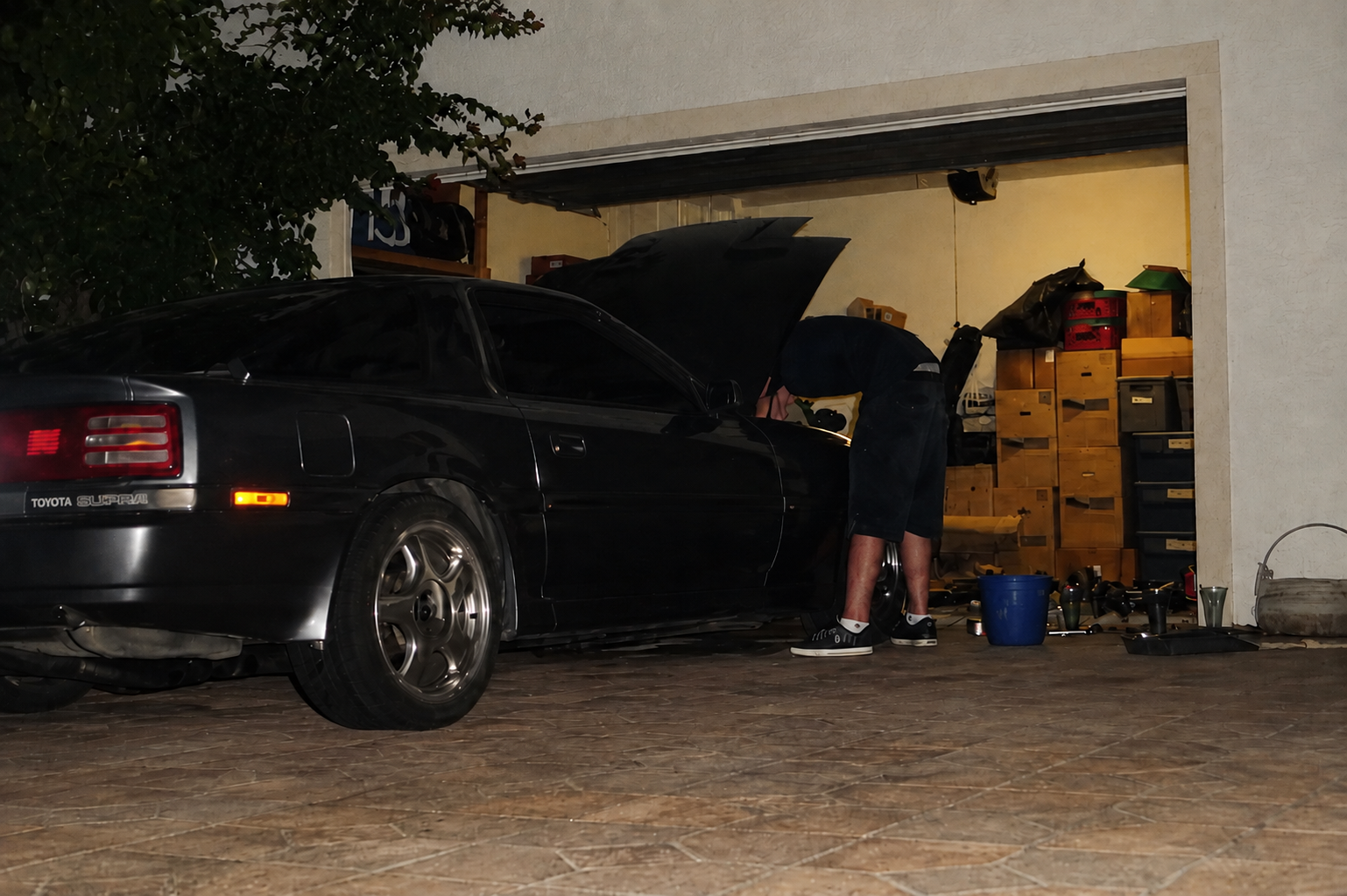
My interest in working on cars began with my first car, a 1988 Toyota Supra.
At 17 years old, I blew the head gasket—a problem that owners of that generation Supra know all too well. Instead of walking away from the car, I started teaching myself how to fix it.
That eventually led to completing a 1JZ engine swap. Before installing the engine, I replaced the front and rear main seals, cam seals, timing belt, water pump, fuel injectors, and other maintenance items, along with performing the wiring necessary to make the swap work correctly.
That Supra became the beginning of a pattern: build something, learn from it, break something, figure out why, improve it, and build it again.
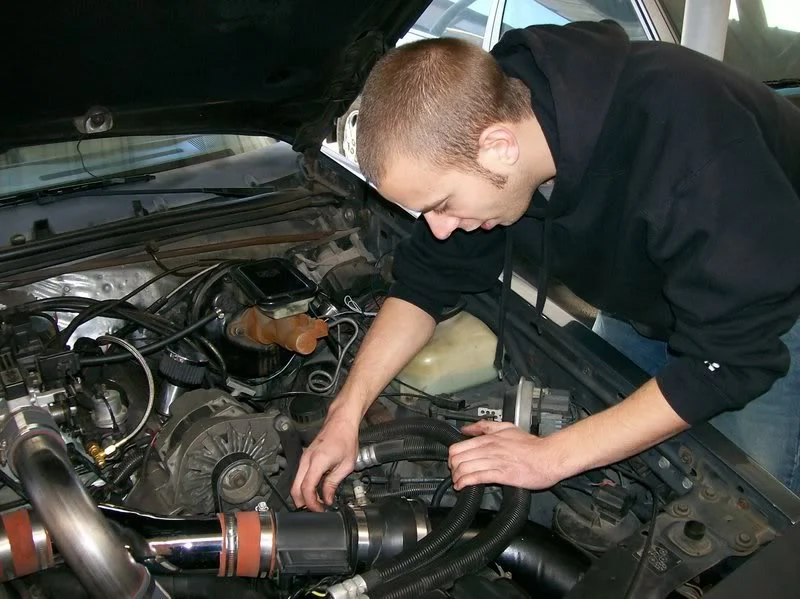
Over the years, that turned into several project cars and more than 25 years of hands-on automotive experience.
What I discovered along the way was that I genuinely enjoy getting the most out of a vehicle—not simply in horsepower, but in reliability, function, handling, and making the entire vehicle work the way it should.
Eventually, racing became a natural progression.
Lessons From the Racetrack
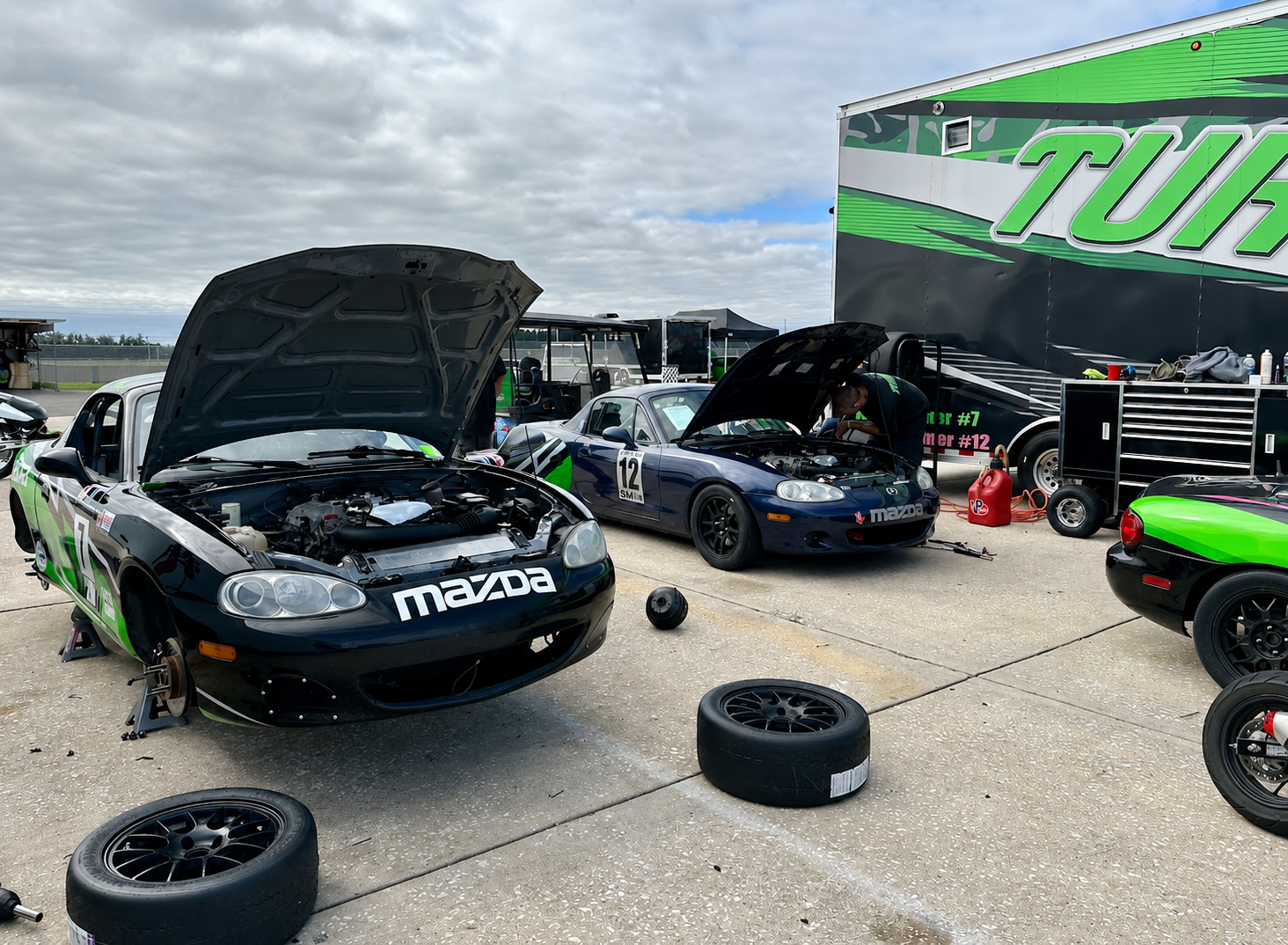
For the last several years, I’ve worked throughout the racing world as a mechanic—traveling as needed to race shops, track days, and race weekends to prepare, repair, troubleshoot, and support race cars.
In many cases, I’ve worked as the sole mechanic responsible for keeping the car operating throughout the event.
Racing teaches you quickly that giving up on a problem isn’t an option. If something fails, you have to understand what happened, find a solution, locate the parts or materials you need, make the repair correctly, and get the car back on track—sometimes within hours.
That experience has made me extremely resourceful, and it translates surprisingly well to everyday automotive repair.
A race car may need to make the next session, but a daily driver may need to pick up someone’s kids from school tomorrow afternoon or get them to work Monday morning. To the person depending on that vehicle, both situations matter.
That’s why I use the same mindset in mobile repair: diagnose the problem, find the right solution, and use every reasonable resource available to minimize unnecessary downtime.
There is rarely a convenient time for a vehicle to be broken.
Why Communication Matters
I also spent time working in a Ford dealership service department. That experience taught me a great deal, including something I wanted to do differently in my own business.
In a traditional dealership environment, information often travels from the technician to a service advisor and then from the advisor to the customer. The person paying for the repair may never speak directly with the technician or even see the problem that was found.
I believe there is a better way.
At Bryan’s Auto and Race Cars, transparency is part of the repair.
Whenever practical, we provide photos, video, or both showing what we found during diagnosis. If additional concerns are discovered while the vehicle is being serviced, we document those as well. We can also provide photos or video as repairs are being completed.
I don’t just want to tell you that a component needs to be replaced. I want you to understand:
What failed
Why it failed
What can happen if it isn’t addressed
Why a particular repair is recommended
What is involved in repairing it correctly
You should understand what you’re paying for before the work is performed.
Repairs Done the Way They’re Supposed to Be Done
We follow manufacturer service information and established repair procedures rather than skipping steps simply to get a vehicle out the door faster.
Sometimes that means an alignment is required after a repair. Sometimes the manufacturer specifies that certain fasteners must be replaced instead of reused. Sometimes there is an additional procedure that may not be obvious from looking at the failed component alone.
Those steps matter.
Our goal is to perform repairs that meet or exceed the standards intended by the vehicle manufacturer, because doing the complete job is what gives a repair its best chance of remaining dependable for years to come.
The same philosophy applies to parts.
Not all aftermarket parts are created equal. There are excellent aftermarket components—and the racing world certainly proves that—but there are also inexpensive replacement parts made primarily to meet a price point. Saving a few dollars on a component isn’t much of a savings if it fails prematurely and leaves you stranded.
When recommending parts, I consider quality, application, availability, and reliability—not simply which option has the lowest price.
From Race Cars to Your Driveway
Bryan’s Auto and Race Cars grew naturally from the work I’ve already been doing for years.
I’ve traveled to shops and racetracks as a mobile mechanic, solved problems under time pressure, prepared cars for competition, supported them through race weekends, and learned what it means to be the person responsible for getting a vehicle running again when there isn’t another mechanic standing behind you.
Now I’m bringing that same experience, resourcefulness, and attention to detail to something I can do every day: helping people keep the vehicles they depend on safe, reliable, and on the road.
Whether your car needs to make it to work Monday morning or your race car needs to make the next session, I approach the problem the same way:
Understand what went wrong. Fix it correctly. Communicate clearly. And keep you moving.